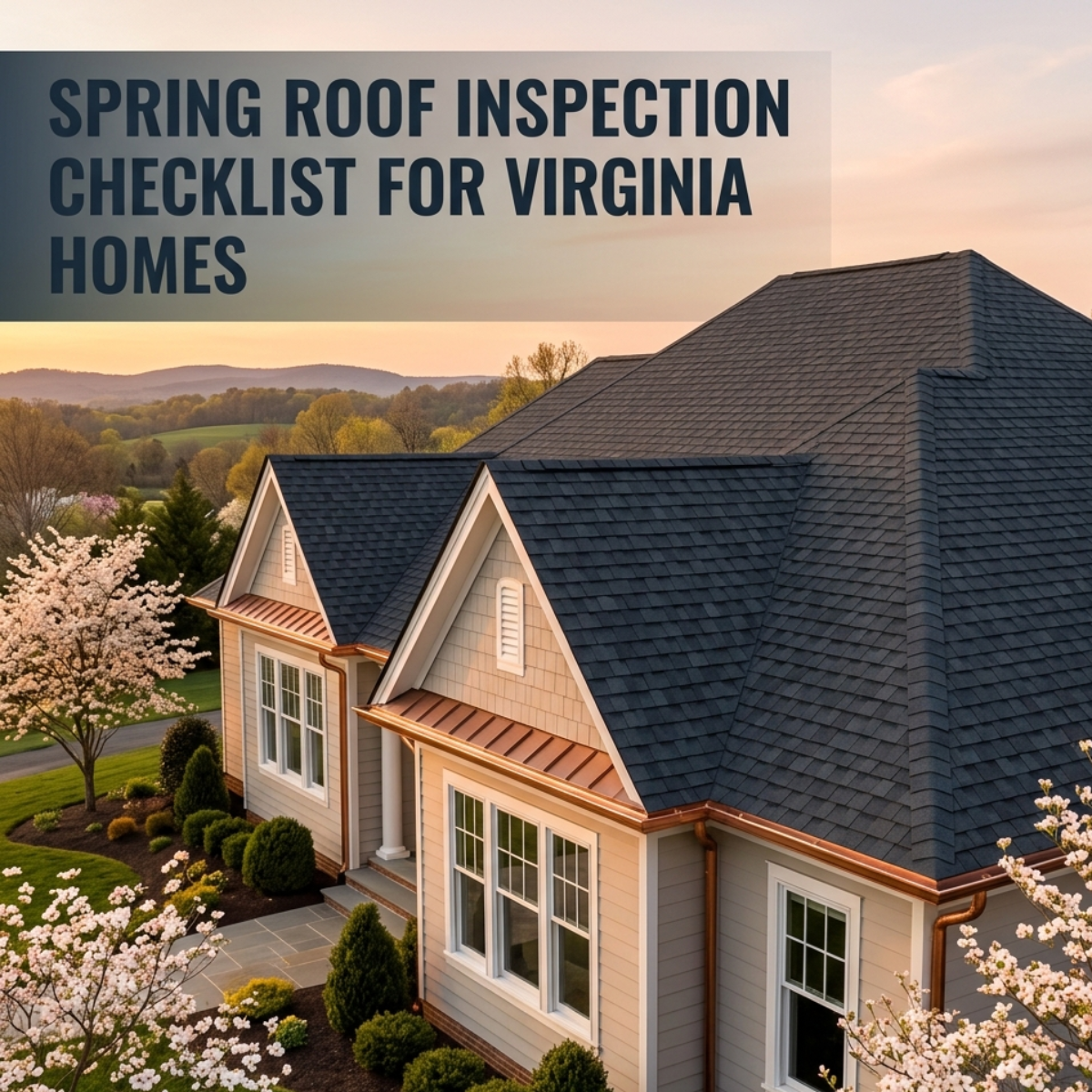
A spring roof inspection checklist for Virginia homes protects your most valuable asset from hidden winter damage. Completing a spring roof inspection checklist prevents sudden leaks during heavy rain. Winter weather in Stafford and Spotsylvania creates massive stress on roofing systems. Temperature swings cause shingles to expand and contract rapidly. This movement eventually breaks down the bond between the asphalt and the granules. You must identify these issues early to maintain your home’s value.
Why Your Spring Roof Inspection Checklist for Virginia Homes Starts with Material Science
Thermal expansion is a primary reason for roof failure in the Virginia region. Asphalt shingles and metal flashing expand at different rates during a freeze-thaw cycle. This difference creates tiny gaps in the waterproof seal around your home. UV degradation also plays a major role in how shingles age over time. Constant sun exposure makes the asphalt mat brittle and prone to cracking. You can view the technical durability standards provided by the Virginia Cooperative Extension to see how environmental forces impact home exteriors.
Hydrostatic pressure is another technical challenge for local roofing systems. Melting snow often sits in roof valleys or behind debris. This standing water creates pressure that forces moisture under the shingle edges. Capillary action then pulls that water upward into the wood decking. This process causes rot before you ever see a drip inside the house. A thorough review identifies these invisible threats before they cause structural failure.
Shingle Evaluation on Your Spring Roof Inspection Checklist for Virginia Homes
Start your walkthrough by looking for physical changes in the shingle surface. High winds in King George and Caroline County often lift shingle tabs. This action breaks the factory sealant strip. Once the seal fails, the shingle can no longer resist wind-driven rain. Look for shingles that appear shiny or smooth from the ground. This indicates the protective ceramic granules have washed away. Without granules, the asphalt mat degrades quickly under direct sunlight.
Visible damage suggests your roof may be nearing its 15 to 25 year limit. If you notice widespread shingle loss, you should consider a residential roof replacement. Aging roofs lose their flexibility and become prone to impact damage from spring storms. Detecting these issues now allows you to plan your project with confidence. We provide all findings in writing to ensure total transparency for our clients.
Drainage Review and Your Spring Roof Inspection Checklist for Virginia Homes
Gutters are a vital part of your home’s defense against water. Clogged gutters force water to back up under the drip edge flashing. This water eventually rots the fascia boards and the structural rafters. Check your downspouts for large amounts of shingle grit. This grit confirms your roof is losing its weatherproofing layer. Ensure water flows freely away from your foundation to prevent basement dampness.
Homeowners at our Spotsylvania location deal with heavy clay soil. This soil holds moisture against the foundation for long periods. Downspouts must extend far enough from the house to protect the structural base. Proper drainage protects both your roof and your home’s foundation. It also ensures your roof replacement lasts for decades without issue.
Critical Flashing and Sealant Integrity
Flashing acts as the primary defense around roof penetrations like chimneys. Chimneys and plumbing vents rely on metal flashing to redirect water. Over time, the sealant used to bond these areas becomes hard and cracks. This allows water to enter the attic space through very small openings. Check for any rusted metal or loose fasteners around your chimney area.
Valleys require special attention during your spring review. Debris like pine needles often traps moisture against the shingles. This trap accelerates the breakdown of the asphalt mat. We focus on providing a professional, structured contractor experience. Our team ensures every flashing point is secure and documented in writing. This organized approach removes the guesswork from home maintenance.
Interior Signs and Your Spring Roof Inspection Checklist for Virginia Homes
Go into your attic during a bright day to look for water entry. Look for any pinpricks of light coming through the roof deck. These light leaks are a clear sign of holes in your roof system. Check the underside of the wood for dark staining or white mold growth. These signs indicate a slow leak that has existed for months. Wet insulation is another major warning sign for homeowners.
Insulation loses its thermal value when it becomes damp. Check the drywall on your top floor ceilings for stains or rings. Small brown circles or bubbling paint suggest moisture is moving through the ceiling. Addressing these leaks during the spring prevents mold growth during the humid Virginia summer. A healthy roof also keeps your energy bills lower by protecting your insulation.
The Value of a Professional Strategy
A homeowner walkthrough is a great first step for property care. However, some damage is invisible to the untrained eye. Many contractors provide verbal promises that lead to confusion later. We believe in a modern process that puts everything in writing. Our team uses digital tools to show you exactly what is happening on your roof. This gives you total clarity without any sales pressure.
Professional consultations help you determine the smartest long-term solution. You might need a simple fix or a full system upgrade. We provide multiple options so you can make the best choice for your family. Our goal is to provide reliable scheduling and clear communication from start to finish. With over 20 years of experience, we bring proven craftsmanship to every home.
Takeaway
A spring roof inspection checklist for Virginia homes is your best defense against unexpected costs. Identifying small issues today prevents major structural damage tomorrow. Our team is ready to help you navigate your roof’s condition with honesty and transparency. We provide the documentation you need to feel confident in your home’s protection. Schedule Your Roof Replacement Consultation to explore your options and secure your home’s future.