
Are you planning a full exterior renovation? Start with the roof to protect your entire home investment. Home exterior upgrades require a deliberate strategy. Replacing your upper weather barrier first shields every downstream improvement. Homeowners in Virginia often consider siding, new windows, and exterior doors at the same time. However, reversing the installation sequence creates major structural risks for your home.
Building mechanics guide your project order. The GAF roof guide details complete assemblies. A quality system combines leak barriers, underlayment, and water-shedding shingles. If the overhead barrier fails, water flows into wall cavities. That moisture ruins fresh wall insulation. It rots wooden wall studs. It also stains new interior ceiling materials.
Starting at the top protects lower investments. Heavy roofing materials fall during old roof removal. Dropping shingles can dent new metal trim. Falling debris can scratch new vinyl siding. Installation crews also need space for heavy scaffolding and ladders. Completing top roof work first eliminates damage to newly installed wall materials.
Planning a Full Exterior Renovation? Start with the Roof for Proper Construction Sequencing
Building science dictates working from the top down. Gravity directs rainwater downward across your exterior walls. Your roof serves as the primary barrier against wind and rain. A residential roof replacement creates a watertight seal. This step secures your home before siding work starts.
Replacing a roof requires intensive labor and material handling. Roofing crews tear off old asphalt shingles and worn underlayment. Thousands of old metal fasteners pull free during tear-off. These discarded items fall directly down your home sides.
If you install new siding or windows first, falling debris will strike those surfaces. Dents, scratches, and broken window frames often result. Scaffolding setups can also press against fresh siding panels. Replacing top protection first safeguards your wall investment.
System integration also requires top-down construction. Flashing details must integrate behind house wrap and siding. Wall-to-roof flashing tucks behind wall cladding to direct water away. Installing siding first forces crews to pry back new siding later. That rework risks tearing fresh weather barriers.
Stop Structural Water Damage
Water intrusion follows clear physical principles. Four primary physical forces cause exterior building assemblies to fail over time.
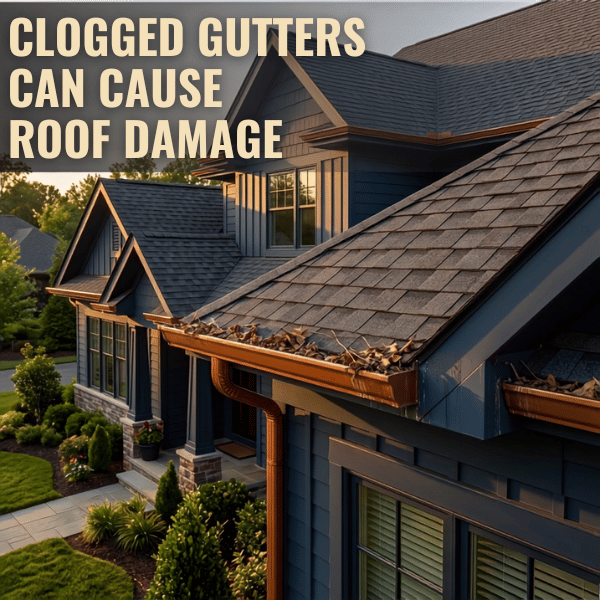
Hydrostatic pressure occurs when water collects along roof edges. Standing water behind clogged gutters creates downward pressure. This pressure forces water past underlayment seams. Liquid penetrates the wood decking below.
Capillary action draws liquid into tiny structural gaps against gravity. Water creeps upward between shingle overlaps. It pulls moisture under metal flashing joints. Once inside, capillary water rots wall framing silently.
Thermal expansion and contraction occur during extreme seasonal temperature changes. Bright sun causes roof materials to expand in summer. Cold night temperatures make those materials contract quickly. This constant shifting loosens fasteners. It breaks sealant bonds and splits aged shingle layers.
UV degradation damages asphalt materials over time. Solar ultraviolet radiation breaks down asphalt binders in shingles. Shingles lose protective mineral granules. They curl, crack, and lose weather resistance.
Starting your renovation with top-level roof replacement solves these physics-driven issues. You stop moisture intrusion before it reaches new wall framing.
Protect New Siding and Windows
Homes in Stafford County and Spotsylvania County endure harsh weather conditions. Local Virginia properties face humid summers, freezing winter rains, and high winds. Storms drive rainwater sideways into roof-to-wall intersections.
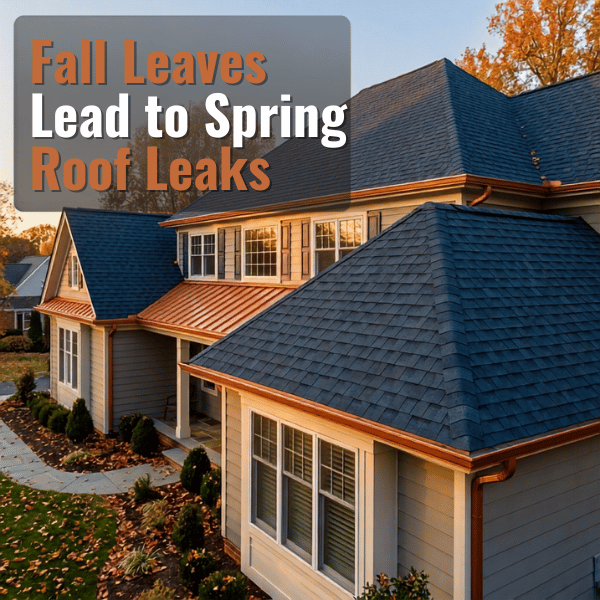
Step flashing protects these vulnerable wall intersections. Metal step flashing pieces overlap with each shingle course along sidewalls. These angled plates direct water onto shingles and away from wall frames.
Installing siding first complicates this critical connection. Workers must force new flashing under existing wall cladding. This shortcut creates gaps where capillary action draws water into wall cavities. A local Spotsylvania roof replacement requires proper flashing integration early.
Replacing your roof first allows clean installation of step flashing. Installers apply self-adhering leak barriers directly to bare roof decking and walls. Siding installers then lap house wrap smoothly over the metal flashing. Rainwater flows downward without entering structural wall panels.
Working with experienced professionals ensures your exterior project moves forward smoothly. Reviewing documented scope and warranty details gives you confidence. You can read about our standards on our why us page.
Planning a Full Exterior Renovation? Start with the Roof for Financial Efficiency
Managing a full exterior project requires smart resource management. Proper project sequence prevents expensive rework. Repairing damaged siding ruined by falling roofing debris creates unnecessary costs.
Completing the top structure first protects your finances. You avoid double labor charges for flashing adjustments. You prevent hidden water leaks from destroying new window trim or interior drywall.
Flexible payment options help homeowners complete multi-stage projects without delay. Tailored payment structures allow you to secure your top barrier immediately. You can review available options on our financing page.
A structured payment plan keeps your renovation on schedule. You complete critical structural protection first. You can then schedule siding and window upgrades with full peace of mind.
The Final Takeaway on Exterior Renovation Order
Planning a full exterior renovation? Start with the roof to establish a secure, long-term foundation for your entire home. Sequencing your project properly shields your home, eliminates double labor, and prevents structural water damage.
Establishing a dry overhead shell protects every secondary project below. Correct installation order ensures wall flashing overlaps properly to shed driving storms.
Are you preparing to upgrade your home exterior in Virginia? Schedule a residential roof consultation with our team to review options and secure your timeline.