Fall Is a Great Time to Replace Windows
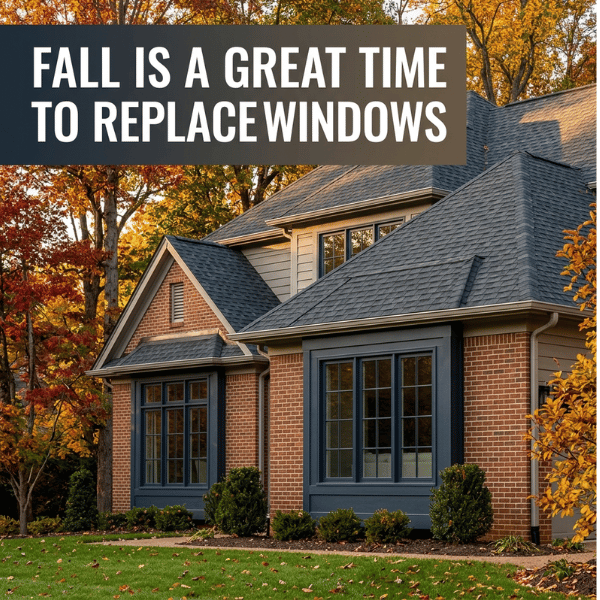
Autumn brings ideal temperatures and lower humidity levels for home renovation projects. Homeowners across the region discover that fall is a great time to replace windows before winter frost causes serious energy loss. Cool weather creates optimal conditions for sealant curing. It also allows installers to work efficiently without exposing your living space to summer heat or winter freezes.
Installing new fenestration units during autumn stabilizes interior climate control. Old windows lose thermal efficiency over time. Single-pane glass and aging double-pane assemblies allow significant heat transfer through radiation and air infiltration. High thermal conductivity in dated aluminum or deteriorated wood frames allows indoor heat to escape into the cold air outside.
Why Fall Is a Great Time to Replace Windows for Energy Savings
Lowering energy bills requires a tightly sealed building envelope. According to performance criteria set by ENERGY STAR, modern insulated glass units utilize low-emissivity coatings to reduce radiant heat transfer. Low-E coatings reflect long-wave infrared heat back into your home during cold autumn and winter months.
Heat moves through glass through three distinct physical mechanisms.
- Conduction: Heat travels directly through solid materials such as glass panes and window sashes.
- Convection: Air currents circulate in the cavity between glass panes and transfer heat from warm to cold surfaces.
- Radiation: Electromagnetic energy transfers heat directly through transparent glass surfaces.
Modern insulated glass units insert dense inert gas between double or triple glass panes. Argon or krypton gas reduces internal convection currents because these gases have lower thermal conductivity than standard air. Fall installation ensures these insulated units are in place before winter heating demands peak.
Upgrading glass performance lowers household energy consumption. Lower heating demands protect mechanical HVAC systems from excessive wear. Installing high-performance custom windows and doors protects your building interior while reducing seasonal utility bills.
Why Fall Is a Great Time to Replace Windows in Virginia Climates
Virginia weather presents distinct structural challenges to home exterior materials. Moderate autumn temperatures provide the ideal window of opportunity before harsh winter conditions arrive. Regional climate patterns in Spotsylvania County feature high summer humidity followed by sudden temperature drops in late autumn.
Rapid temperature fluctuations cause differential thermal expansion in building materials. Vinyl, wood, glass, and aluminum expand and contract at vastly different rates.
- Vinyl frames: Vinyl exhibits a high coefficient of thermal expansion and shifts significantly during temperature spikes.
- Glass panes: Glass expands at a much lower rate than surrounding frame materials.
- Frame sealants: Perimeter caulking stretches and compresses constantly as outdoor temperatures shift.
In areas like Stafford County, winter freeze-thaw cycles degrade compromised window seals rapidly[cite: 1]. Water enters microscopic gaps in cracked exterior caulking. When temperatures drop below freezing, trapped water expands by approximately nine percent. This physical force pulls sealants away from exterior cladding and opens direct paths for water intrusion.
Installing new windows in autumn prevents freeze-thaw cycles from destroying your exterior wall framing. Professional installers apply high-grade silicone and polyurethane sealants in mild fall weather. These sealants cure properly within standard temperature ranges between 40 and 80 degrees Fahrenheit. Proper curing creates a flexible water-tight barrier that withstands winter movement.
How Fall Is a Great Time to Replace Windows to Stop Thermal Expansion
Seasonal weather shifts test the mechanical integrity of your window frames. High summer heat degrades old perimeter caulking through direct ultraviolet radiation. UV rays break down synthetic polymer bonds in caulking materials. This process leads to hardening, cracking, and loss of flexibility.
Once sealant integrity breaks down, secondary physical forces begin damaging your home.
- Capillary Action: Surface tension pulls wind-driven rainwater through narrow hairline cracks around window frames.
- Hydrostatic Pressure: Standing water trapped in window sills pushes inward against deteriorated weatherstripping.
- Air Infiltration: Temperature differentials create pressure differences that draw cold outdoor air into warm living spaces.
Fall weather provides stable ambient moisture levels. Installing windows during dry autumn days prevents moisture from trapped air inside wall cavities. Moisture trapped during humid summer installations can condense inside wall cavities once winter arrives. Cold interior framing triggers condensation, which creates ideal conditions for wood rot and mold growth.
Replacing aging window units before winter eliminates drafts caused by frame warping. Modern composite and vinyl frames resist thermal distortion far better than old materials. Proper installation includes high-performance flashing tapes and expanding polyurethane foam insulation. These components create continuous air and water barriers around the rough opening.
Preventing Seal Failure and Moisture Degradation in Window Assemblies
Insulated glass units feature a sealed airspace between glass panes. Perimeter spacer bars contain desiccant materials that absorb residual moisture during factory assembly. Over time, physical stress from thermal expansion weakens the primary butyl seal surrounding the glass spacer.
Seal failure causes clear physical symptoms in aging window glass.
- Desiccant Saturation: The internal drying agent absorbs maximum moisture capacity and stops functioning.
- Gas Dissipation: Dense argon gas leaks out through microscopic ruptures in the primary perimeter seal.
- Internal Condensation: Atmospheric moisture enters the glass unit and creates permanent fogging between panes.
When window seals fail, insulating performance drops to the level of basic single-pane glass. Fogged glass cannot be repaired effectively. Total window unit replacement remains the only permanent technical solution.
Homeowners planning large home updates often consider flexible financial options. Flexible financing structures allow you to address window replacement proactively rather than delaying repairs until major moisture damage occurs. Investing in entire window elevations secures your home envelope against winter rain and snow.
Working with an experienced contractor ensures proper window sizing, flashing, and integration. Learn more about our technical approach and commitment to clear written documentation on our why us page. Our structured process guarantees exact installation dates and complete clarity from start to finish.
Takeaway: Fall Is a Great Time to Replace Windows
Planning window replacement during autumn guarantees maximum home comfort and protection. Cold winter winds test every exterior seal on your home. Upgrading your windows now stops heat loss, prevents moisture intrusion, and protects interior framing from decay.
Replacing damaged windows eliminates costly air leaks before winter utility bills arrive. Modern window technology provides low U-factors, superior solar heat control, and long-lasting structural stability. Structured project management ensures your window installation finishes on schedule.
Take control of your home energy efficiency before cold winter weather arrives. Schedule a Windows & Doors Consultation today to review your project scope and secure clear written pricing for your window upgrade